Walking the South Downs Way: A 5-Day Itinerary for First-Time Long-Distance Hikers
The South Downs Way runs the full 100 miles from Winchester to Eastbourne, and it is the friendliest of England's National Trails: waymarked with an acorn, mostly on bridleways, and with a village or a station within reach by the end of most days. Five days makes for a brisk crossing at roughly 20 miles a day. That is achievable for a reasonably fit walker who has done back-to-back long days before. If you have not, six or seven days will be far more enjoyable. What follows is the five-day version, plus the escape hatches if it turns out to be too much.
What the route is actually like
The trail is signed throughout, so navigation is straightforward provided you carry a map or a downloaded track for the junctions where bridleways cross. You share the path with mountain bikers and horse riders, which means gates rather than stiles and a surface that can be churned into ruts after a wet winter.
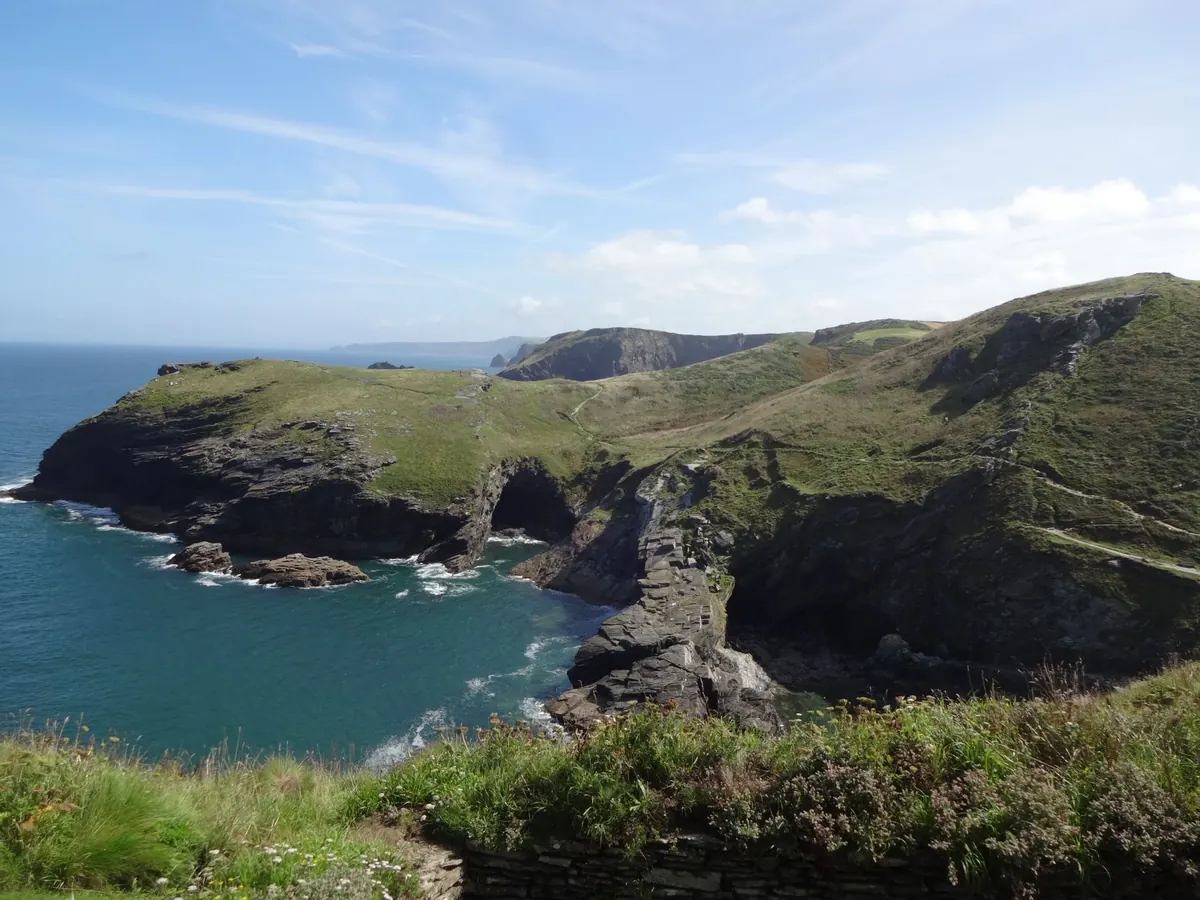
The ground is chalk, which drains quickly, so you are unlikely to spend five days in deep mud — though flint and loose gravel on the descents demand attention. The climbing comes in long, steady pulls rather than steep bursts: Butser Hill and Harting Down in the west, Bignor Hill and Ditchling Beacon in the middle, and then five successive climbs over the Seven Sisters on the final afternoon, which will find whatever energy you have left. There is very little shade on the ridge and the wind seldom drops.
Five days, day by day
Day 1: Winchester to Cocking — about 25 miles
Leave Winchester through the water meadows and climb towards Cheesefoot Head, then follow the ridge east past Exton and Old Winchester Hill, over Butser Hill, and on across Harting Down to Cocking. It is a big first day. If you would rather break yourself in gently, stop at Exton at 12 miles, where there is a pub with rooms, and add a sixth day to the trip.
Day 2: Cocking to Steyning — about 21 miles
Woods and downland above Heyshott and Graffham give way to the descent into Amberley, where you can drop off the ridge to the tea rooms and the station at Houghton Bridge. Bignor Hill follows, with the Roman villa tucked below the ridge, then Bury, then the drop to the River Adur and Steyning. Refill your water here; the next long stretch is dry.
Day 3: Steyning to Southease — about 24 miles
The toughest day. Climb back to Truleigh Hill, cross Devil's Dyke — buses run up from Brighton if you need an escape route — then follow the top past Ditchling Beacon and Blackcap before dropping into the Ouse valley at Southease. There is a hostel and a tiny station here, and Lewes is a short train ride away for a proper bed and dinner.
Day 4: Southease to Alfriston — about 12 miles
A short day, and you should take it. Cross the Ouse, climb back onto the ridge above Kingston and Firle, and enjoy the first real views of the sea before descending into Alfriston. Half a day gives you time to rest, wash kit and eat properly, and leaves you fresh for the last stage.
Day 5: Alfriston to Eastbourne — about 19 miles
Climb out of Alfriston onto the downs and head for Jevington, then down to the Cuckmere valley and out to the coast at Exceat. From there it is the Seven Sisters: five climbs and five descents along the cliff tops to Birling Gap, then Beachy Head and the long run down into Eastbourne. The finish on the seafront always feels well earned.
Where to sleep
Beds along the way are a mix of village inns, B&Bs, farm stays and hostels. Book the whole thing before you start, particularly in summer and at weekends, when the popular stops fill months ahead.
- Village pubs with rooms in Exton, Cocking, Amberley, Steyning, Ditchling and Alfriston are the traditional choice, and sit within a mile or two of the path.
- Hostels at Winchester, Truleigh Hill and Southease keep costs down, though a dormitory after a 24-mile day is not for everyone.
- B&Bs and farm stays fill the gaps, usually just off the ridge; some will collect you from the nearest road crossing.
- Luggage transfer companies move bags between overnight stops, turning the walk into a daypack trip. Book well ahead.
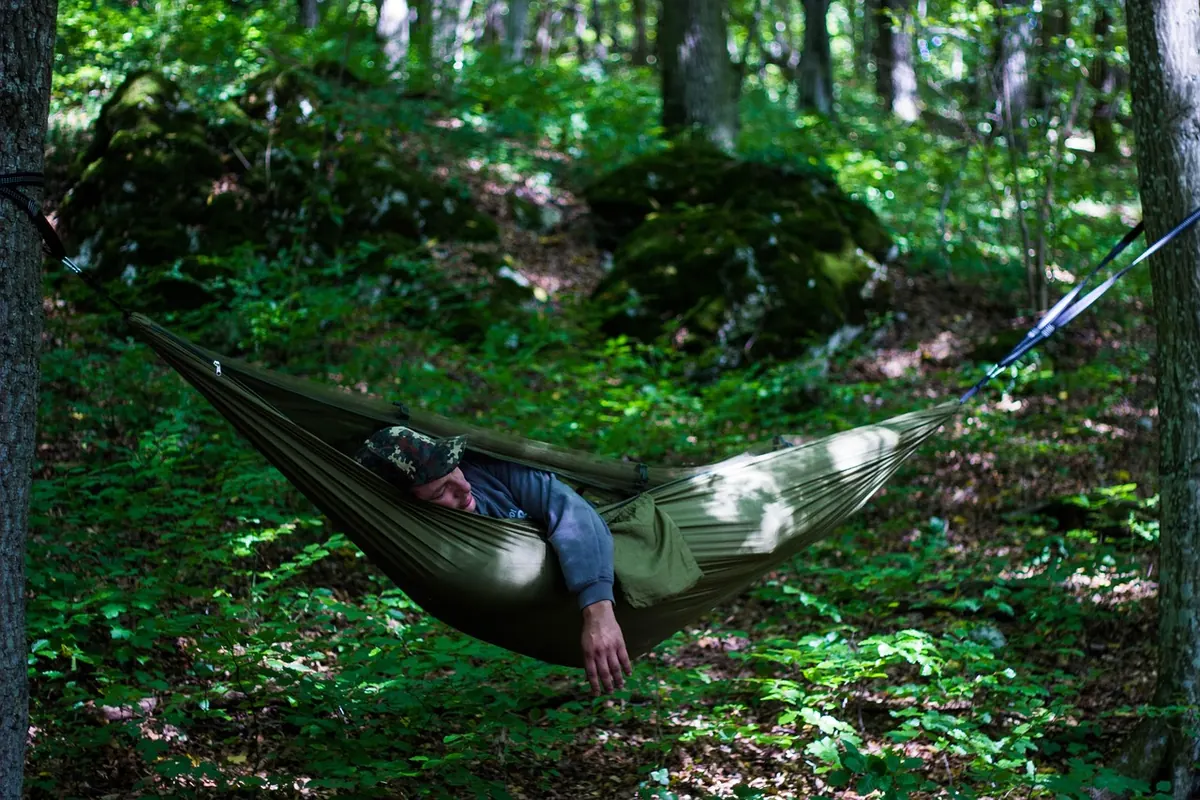
- Camping is limited, and wild camping is not permitted along the route, so plan campsites rather than pitching wherever you happen to finish.
If you want an easier trip, insert a night at Exton or Amberley and walk it over six days. Same route, far less grind.
Trains, buses and escape routes
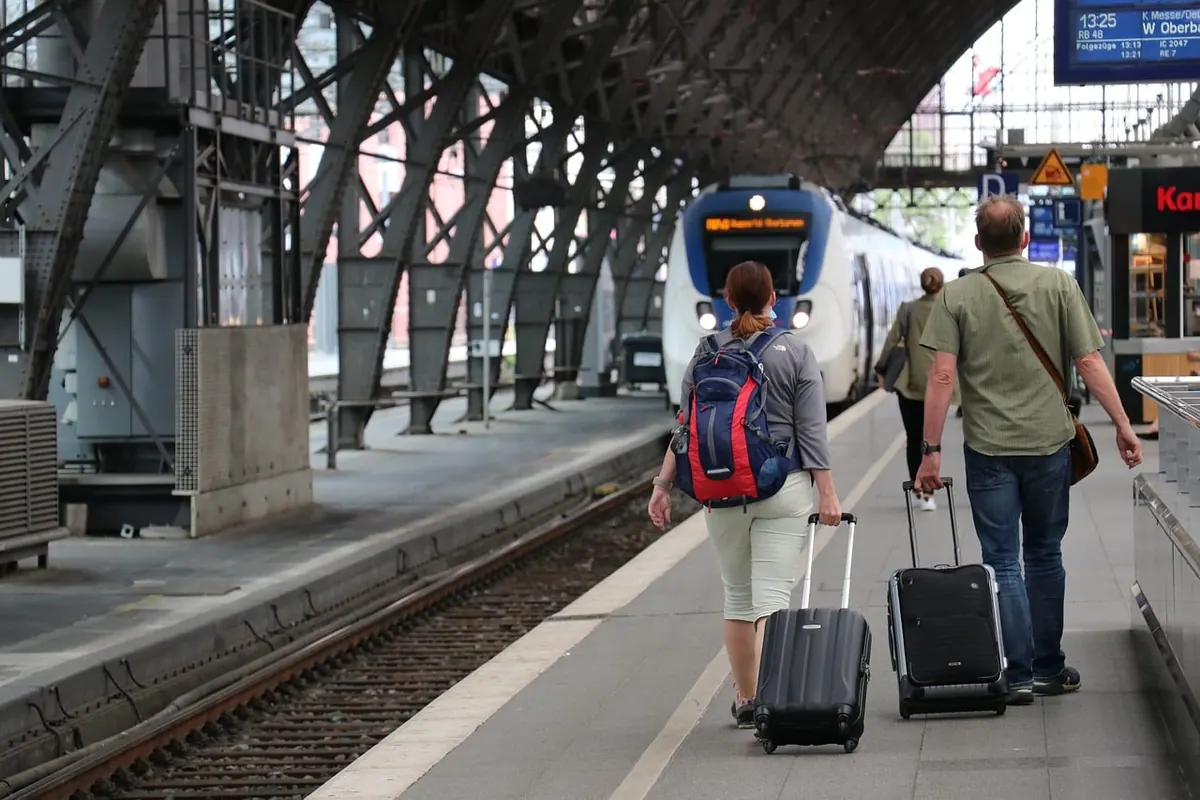
Winchester is the easiest place to start: direct trains from London Waterloo, with the beginning of the trail a short walk from the station. Eastbourne has regular services to London Victoria and links to Gatwick, so getting home is simple.
Mid-route exits matter more than they seem. Petersfield serves the western downs, Amberley has its own station on the Arun valley line, Hassocks and Brighton give access to Ditchling Beacon and Devil's Dyke, Southease and Lewes sit on the Seaford line, and Seaford is close to the final stages. Local taxi firms will run you from a remote road crossing to a bed and back, but in the quieter spots you will need to ring ahead.
What to carry and how to pace it
- Two litres of water capacity as a minimum. Village taps, pubs and cafés are your refill points; there is nothing on the ridge itself.
- A full day of food. Shops are rare, so stock up in Steyning, Amberley or Alfriston as you pass through.
- Walking poles if your knees complain on descents. The Seven Sisters are hard on them.
- A windproof and waterproof layer, whatever the forecast says. The ridge is exposed and the weather turns quickly.
- A paper map or a downloaded track. The waymarking is good, but junctions between bridleways can confuse.
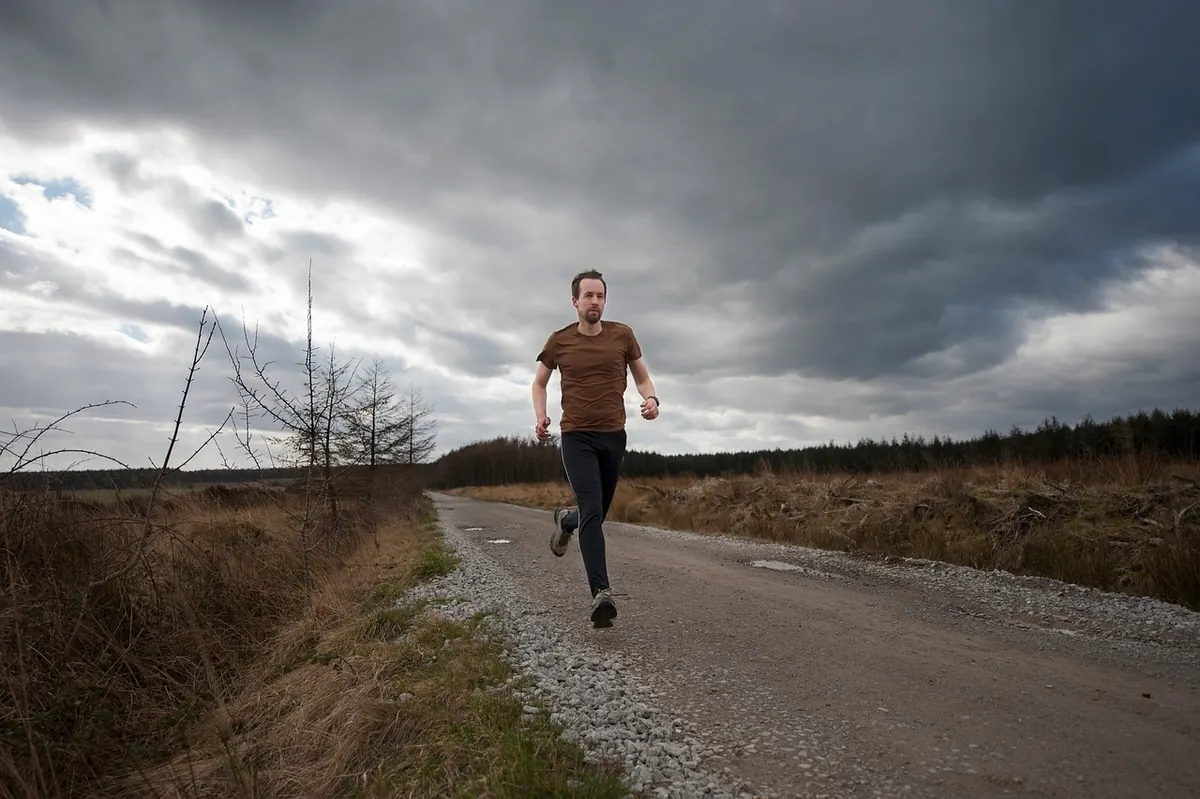
Start early. Twenty miles is a long day on foot even without hills, and the last hour is always the slowest. Deal with hot spots on your feet the moment you feel them, eat before you are hungry, and take a proper lunch break rather than pressing on. If you have any doubt about handling five consecutive long days, build up with back-to-back walks at home, and speak to your GP or a qualified walking coach about any health concerns before you commit.
Before you book anything
Decide honestly which pace suits you. Five days is a fair target for experienced walkers; six or seven will give you time to look up. Then book beds and any luggage transfer first, sort your trains, and check for temporary diversions or closures on the route before you travel. Train on hills with the pack you intend to carry. Do that, and the South Downs Way is one of the most rewarding first long-distance walks you could choose — generous underfoot, full of views, and never more than a few miles from a cup of tea.
Photo: Vivarium Viva / Pexels