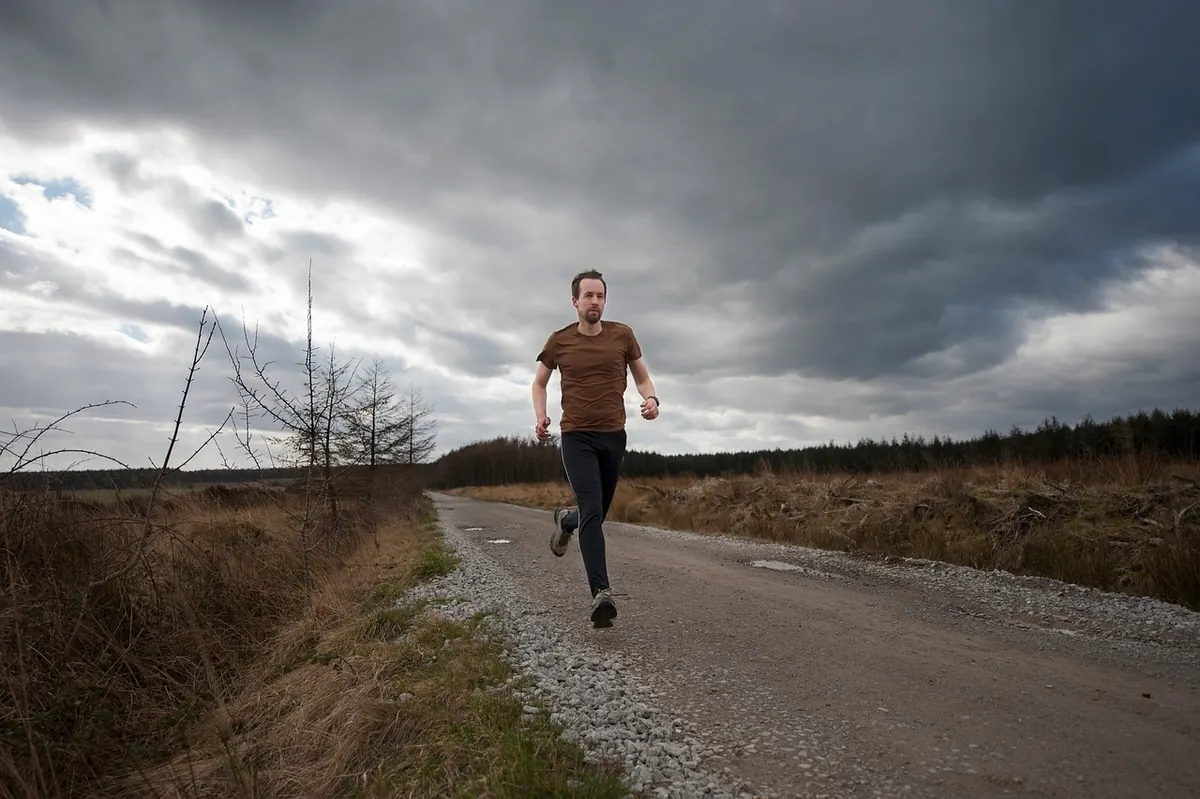
Trail Running vs Hiking: Which Is Better for UK Countryside Adventures?
Ask two people about the best way to spend a Saturday on the South Downs and you will get two very different answers. One will be lacing up trail shoes for a fast loop before lunch. The other will be packing a flask for a slow, all-day wander. Both are right, and both miss the point: the trail does not care how fast you cross it. What matters is matching the way you move to the day you actually want.
Here is a practical comparison of pace, kit, impact and access, so you can choose with your eyes open.
Pace and distance: what each approach really asks of you
On mixed UK terrain — think stony bridleways in the Peak District, rooty singletrack in the Quantocks, boggy moorland in the Cheviots — most hikers cover somewhere between 2 and 4 kilometres an hour. Trail runners, on rougher ground, often average 7 to 9 kilometres an hour. On smooth, firm surfaces the gap widens; in deep mud or loose scree it narrows quickly.
The distinction blurs on steep climbs. Most trail runners walk uphill and save the running for flats and descents. That means a trail run is frequently a brisk hike with running sections mixed in, which is worth knowing if the idea of running non-stop puts you off.
Covering more ground in a run also demands more fitness. A 10-mile run on hilly ground is a serious effort; a 10-mile walk is a gentle day out. Choose your distance to match your current condition, not your ambition.
Kit: what goes on your back and your feet
Footwear matters more than anything else. Hiking boots and shoes give ankle support and stiff soles that cope with rocky ground and long days. Trail shoes are lighter and lower, with aggressive lugs for grip on mud and wet grass. In UK conditions, grip usually beats cushioning.
A runner's kit list is short:
- Trail shoes with decent lugs
- A light waterproof shell and a spare layer
- Water in soft flasks or a small bladder
- A few hundred calories of easy food
- Phone, keys, and a small first aid kit
A hiker's pack grows with the day: waterproofs, extra insulation, more food and water, a paper map and compass, a head torch in winter, and often a sit mat for lunch. Everything you carry has to be carried, so weight is a trade-off against comfort. On remote ground, both runners and hikers should be carrying the same safety essentials — waterproofs, spare layer, water, food, basic first aid — even if the runner's version is smaller.
Physical impact and recovery
Walking is a low-impact, weight-bearing activity that most people can sustain for hours without much consequence. Running loads the body with far higher forces through the feet, ankles, knees and hips, and raises your heart rate quickly. It is a superb cardiovascular workout, but it asks more of your joints and connective tissue.
The practical rule is to build gradually. The classic mistake is adding distance and speed at the same time. If you are new to running off-road, alternate short running sections with walking on your regular walks, and let the terrain dictate the pace. Hiking tends to leave you less sore the next day, which makes it easier to do on consecutive days or alongside other training. Running on tired legs on technical ground is a common route to a twisted ankle, so if your legs are heavy, walk the rocky bits.
If you have an existing injury, are returning after time off, or have a heart or joint condition, speak to a GP or physiotherapist before taking up running on uneven ground.
Access: the rules are mostly shared, the etiquette is not
In England and Wales, public footpaths, bridleways, restricted byways and open access land all welcome walkers. Trail runners use the same network, which is one of the quiet joys of the sport — you rarely need special permission. Bridleways also allow cyclists and horse riders; footpaths are for walkers only. In Scotland, the right of responsible access covers both walking and running on most land.
The differences show up in behaviour rather than law. A runner moves quietly and quickly, which can startle walkers, dogs and livestock. Slow to a walk, say hello, and give horses plenty of room. Close gates, keep dogs under control around livestock and ground-nesting birds, and follow any local signs about seasonal restrictions. Land managers notice how you behave; good manners keep the access we have.
Weather, daylight and terrain
British weather rewards flexibility more than speed. Mud, standing water and short winter daylight shape both activities. In winter, a head torch and a realistic turnaround time are essential whether you are running or walking. Navigational ability matters more than pace when cloud drops on the fells, so carry a map and compass and know how to use them.
The route planning differs slightly. A runner covering 12 miles can be a long way from the car when the weather turns, so check the forecast, carry a shell, and be willing to cut the route short. A hiker can afford to slow down and wait out a shower, but should still plan for the daylight available.
How to choose — or mix both
Pick hiking if you want to cover long distances without rushing, stop for lunch with a view, chat easily with friends, carry a proper camera, or take children and dogs along. Pick trail running if you want a strong fitness hit in a short window, love the rhythm of moving fast over technical ground, or simply enjoy covering more of a landscape in a single morning.
You do not have to choose. Plenty of people run the flats and descents and hike the climbs — sometimes called run-hiking, and it is how many long-distance routes get completed. If you are starting out, spend a few weeks walking your local paths to build a base, then add short running sections on gentle ground. Let your breathing settle before the next effort. Keep the plan modest, increase length before speed, and judge a session by time on your feet rather than pace on your watch.
Final thoughts
Trail running and hiking are two speeds of the same pursuit: moving through British countryside under your own steam. Choose the one that fits the day you have, the fitness you own and the company you keep — then get out and use it. The best trail is the one you are actually on.
Photo: StockSnap / Pixabay