How to Hike Snowdon (Yr Wyddfa) Safely: Routes, Weather and Parking
Yr Wyddfa — Snowdon, if you learned your maps before the name change — is 1,085 metres of Welsh rock, and it pulls in walkers by the thousand every year. The paths are well made, waymarked in places and, on a clear summer Saturday, busier than a city pavement. That is the trap. It is still a mountain, with weather that can turn in half an hour and a summit that spends more time in cloud than out of it. Get the route, the timing and the kit right and it is a brilliant day out. Get them wrong and you will join a long list of people who needed help getting down.
The main paths up Yr Wyddfa
There are six recognised walking routes to the summit, plus some scrambles that really should not be described as paths. None of them is technical in summer, but they are not interchangeable either.
Pyg Track and Miners’ Track, from Pen-y-Pass
These two share a car park and a reputation as the quick way up. The Pyg Track is roughly three miles each way, rocky and uneven underfoot, with a couple of hands-on steps where you will want both hands free. The Miners’ Track starts on the old copper mine level past Llyn Llydaw and Glaslyn, so the first half is gentler, but the climb at the end is steeper and looser. They meet at Bwlch Glas and share the final pull to the summit. Allow three to five hours for the round trip and expect crowds on the top section.
The Llanberis Path
The longest of the main routes at about four and a half miles each way, and the one people usually mean by “the easy way up”. The gradient is gentle and it follows the railway for much of its length, which makes navigation simple in poor visibility. The trade-off is length: it is a long, steady grind with a lot of company. As a first ascent, it is hard to beat.
Rhyd Ddu and Snowdon Ranger
Both start on the western side, in the village of Rhyd Ddu and beside Llyn Cwellyn respectively. They are quieter than the Pen-y-Pass routes, wide and steady for most of the way, and they join the final ridge for the last stretch to the top. If you want space to think and a view over the Nantlle Ridge, this is where to find it.
The Watkin Path
Starting near sea level at Nant Gwynant, this is the steepest of the main routes and the one with the most character. The upper section crosses loose scree and then a narrow, exposed ridge above Bwlch Cwm Llan before the final climb. It is not a place to bring someone on their first hill day, or to attempt in wind and wet.
Crib Goch is not a path
It is a grade 1 scramble along a knife-edge ridge, and it accounts for a serious share of the mountain’s accidents. If you have not done exposed scrambling before, or the rock is wet, icy or busy, leave it. There is no shame in the Pyg Track.
Choosing your route
Match the route to the slowest person in the group, not the fittest. A family with young children will have a far better day on Llanberis than on the Watkin. If anyone in the party is nervous on loose ground or exposure, avoid the Watkin’s upper section and Crib Goch entirely. And think about descent as well as ascent: tired legs on wet rock are where most slips happen, so a route that is straightforward down matters as much as one that is straightforward up.
Weather and seasons
Check a mountain-specific forecast the night before and again in the morning — the Met Office mountain forecast and MWIS both cover Eryri, and both are more useful than a general town forecast for Llanberis or Betws-y-Coed. What you are looking for is wind, cloud base and precipitation. Wind is the factor that catches people out, because a steady breeze in the car park can be a struggle to stand up in on the summit ridge.
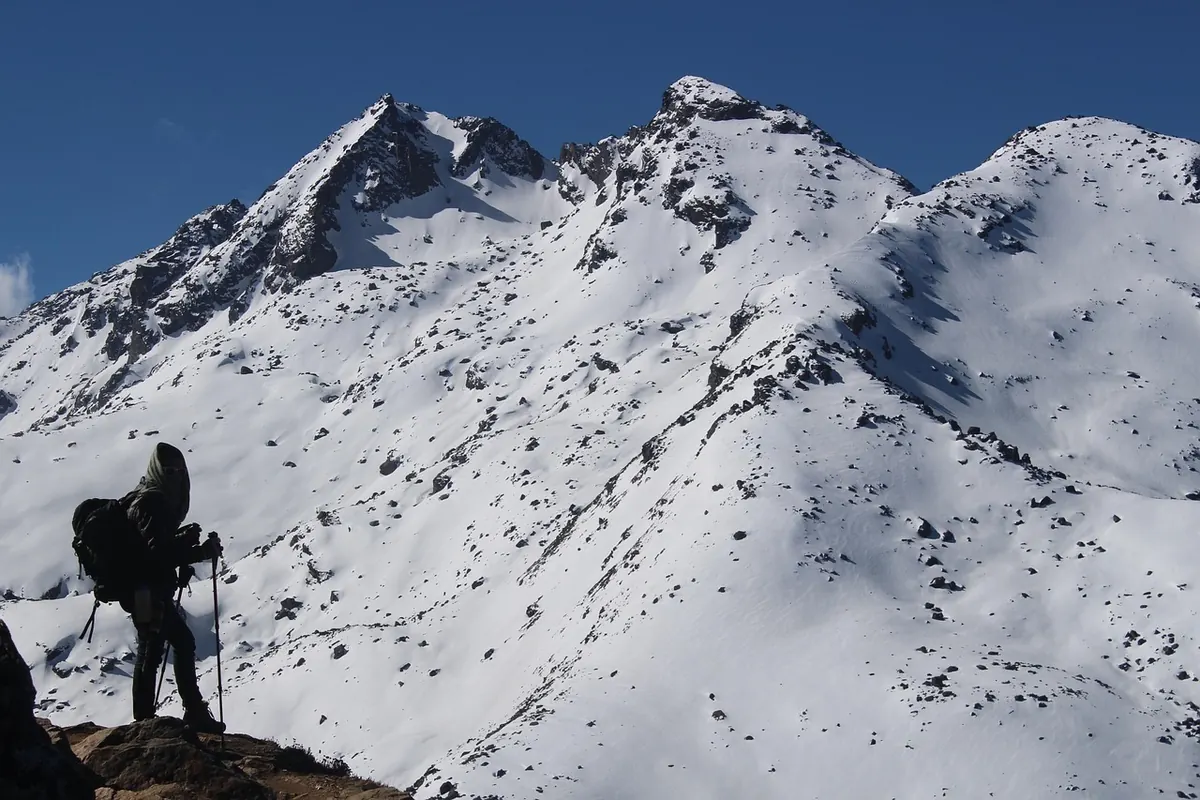
Summer gives you long days and the best chance of a view, but also the queues at Pen-y-Pass and the summit. Spring and autumn are often quieter and clearer, with a real chance of snow lying on the top into April and returning in November. In winter conditions — ice, neve, hard snow — the mountain becomes a serious undertaking that needs an ice axe, crampons and the skill to use them. If that is not you, walk somewhere lower instead. Be honest about this rather than optimistic.
Navigation is worth mentioning because the summit is in cloud so often. A paper map and compass, and the knowledge to use them, will get you off the mountain when a phone battery or a signal will not. The relevant OS Explorer sheets cover the whole massif.
Parking and getting to the start
Parking is the single most common reason a Snowdon day goes wrong before it starts. Pen-y-Pass has a small car park that fills early in the season, charges, and may require booking in advance — check with the national park authority before you travel. Roadside parking nearby is restricted and enforced, and a ticket is a poor start to the day.
- Pen-y-Pass: pay to park, limited spaces, book ahead in peak season where booking applies. Arrive before 8am if you are chancing it.
- Nant Peris park and ride: park here and take the Snowdon Sherpa bus to Pen-y-Pass. The most reliable option on a busy weekend.
- Llanberis: several pay-and-display car parks in the village, convenient for the Llanberis Path and the railway.
- Rhyd Ddu, Snowdon Ranger and Nant Gwynant: small car parks and limited roadside space. Have a plan B for a different route if they are full.
The Sherpa bus network links Llanberis, Nant Peris, Pen-y-Pass, Beddgelert and Rhyd Ddu, which means you can walk a route that finishes somewhere other than where you parked — a genuinely better day out. The Snowdon Mountain Railway runs from Llanberis to near the summit and its season broadly covers spring to autumn, weather depending. Hafod Eryri, the summit building, is generally open in the main season and closed outside it, so do not count on a hot drink at the top.
What to carry
Pack for the worst hour of the day, not the best. A short list that covers almost every season:
- Waterproof jacket and trousers, plus a warm mid-layer and a spare hat and gloves
- Boots with grip — trail shoes are fine in a dry summer, sandals are not
- Map, compass, and a headtorch with fresh batteries
- Food and at least a litre of water per person, more in heat
- Sun cream and sunglasses; the summit can be bright even when the valley is grey
- A charged phone, kept warm and dry, and a group plan agreed before you set off
A simple plan for the day
Pick the route you can descend comfortably, check the forecast twice, and sort parking or the bus the day before. Tell someone at home which path you are on and when you expect to be back. Start early — a 7am start at Pen-y-Pass gives you a quiet mountain and a big margin. Set a turnaround time as well as a summit target, and stick to it if the weather or the pace slips. If the cloud comes down, turn round rather than push on.
On the way up, eat and drink before you feel you need to. On the way down, slow down: most accidents happen on tired legs in the last hour. If something does go wrong, dial 999 and ask for mountain rescue, giving your grid reference, the route you are on and any injuries. If you have no signal, a text to 999 works on some networks, though your phone must be registered with the emergency SMS service beforehand — worth sorting before your trip, not during it.
Treat Yr Wyddfa with the respect you would give any 1,085-metre mountain, and it repays you with one of the finest days out in Britain.
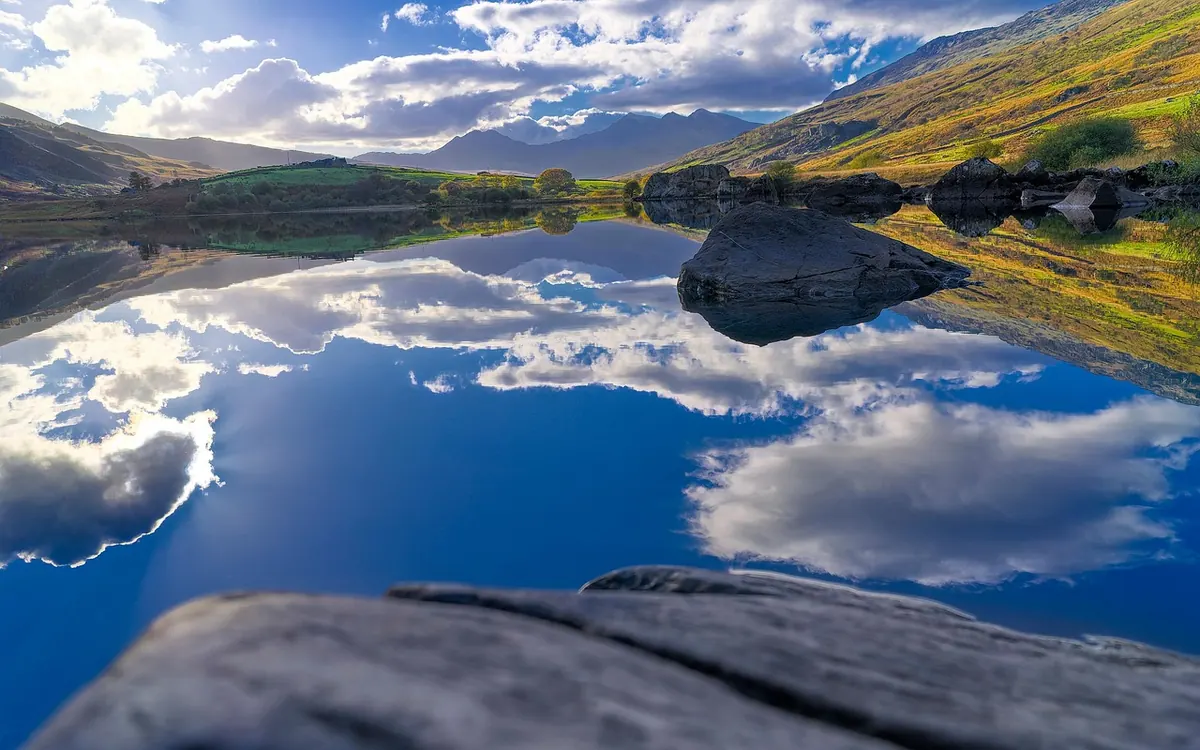
Photo: iankelsall1 / Pixabay